
Many teams assume that poor demo conversion is a sales performance issue. In some cases, that is true.
But often, the problem starts much earlier. The demo underperforms because the meeting itself was not strong before it even began.
By the time the salesperson joins, several critical factors may already be working against the outcome.
What Weakens a Demo Before It Starts
Demo quality is shaped by the pre-sales workflow. When that workflow is inconsistent or incomplete, the meeting begins with friction instead of momentum.
Common pre-demo gaps include:
- Lead not properly qualified
- Use case not clearly defined
- Wrong sales representative assigned
- Weak or unclear expectations for the meeting
- Lack of reminder logic to protect attendance
- Low buyer readiness
- Sales rep entering without sufficient context
These issues reduce the effectiveness of the conversation before it even begins.
Why This Matters
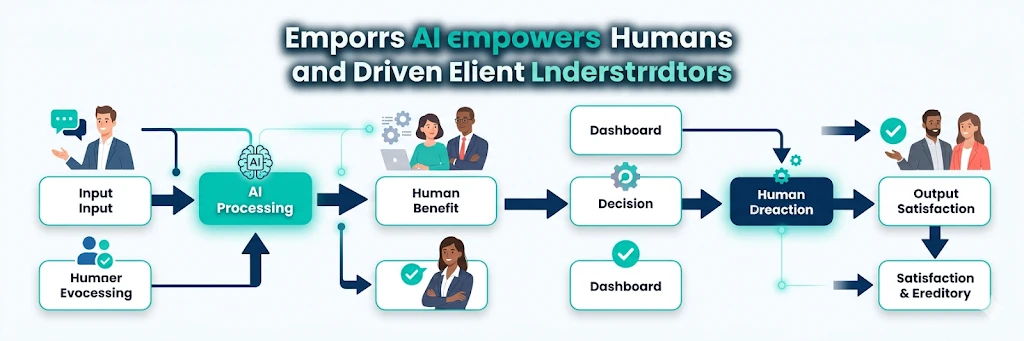
When meetings start at a low baseline, sales teams are forced to spend valuable time fixing avoidable issues during the call.
Instead of focusing on value, positioning, and closing, they end up handling basic qualification, clarifying intent, and rebuilding context.
This reduces efficiency, weakens the conversation, and lowers overall conversion quality.
Conclusion
A weak demo is often not a reflection of a weak salesperson. It is a reflection of a weak workflow leading up to the demo.
Recognizing this distinction allows businesses to shift focus from only improving sales performance to strengthening pre-sales processes. That is where meaningful improvements in demo conversion often begin.
CTA Section
FAQs
Why do demos underperform before they begin?
Because poor qualification, weak preparation, low buyer readiness, and missing reminders reduce meeting quality.
Is demo conversion only a sales-call problem?
No. In many cases, the issue starts in the pre-sales workflow before the call happens.
What should businesses fix first?
They should improve qualification quality, meeting readiness, and pre-demo continuity.
Can automation improve demo quality?
Yes. Automation helps with qualification, reminders, routing, and collecting context before the meeting.
How can businesses improve demo readiness?
By ensuring clear use cases, proper lead qualification, timely reminders, and structured pre-call preparation.
About the Author
Tanya Singhal
Ready to orchestrate your AI future?
Converiqo AI helps you design, deploy, and scale automation workflows that move your business faster, leveraging specialized solutions like our AI bot platform for lead generation, customer self-service AI bot platform, employee self-service AI bot platform, retail omnichannel automation, and our detailed guides on how agentic AI bot platforms work in enterprises and cost structure of enterprise AI bot platforms. Connect with our team to see the platform in action and co-create the next chapter of intelligent operations.
Read More Blogs
Discover more insights and product updates curated by the Converiqo AI team.

Real ROI of Field Force Automation - Beyond the Activity Dashboard
Four metrics that show real field force automation ROI in India - productivity, data reliability, throughput, and field attrition - not just the activity dashboard.

Beat Planning Is the Highest-Leverage Field Force Capability - Here Is Why
Beat planning decides coverage, call frequency, and whether field time is productive. Why it is the single highest-leverage field force automation capability.

Why an Indian Field Force App Has to Work Offline - and Be Built for Real Devices
Field work in India happens where connectivity is intermittent. A field force app that assumes constant connectivity fails exactly where field work is done.