Enterprise AI
Cost Structure
A comprehensive guide to the investment, infrastructure, and ROI of next-generation Agentic AI platforms.
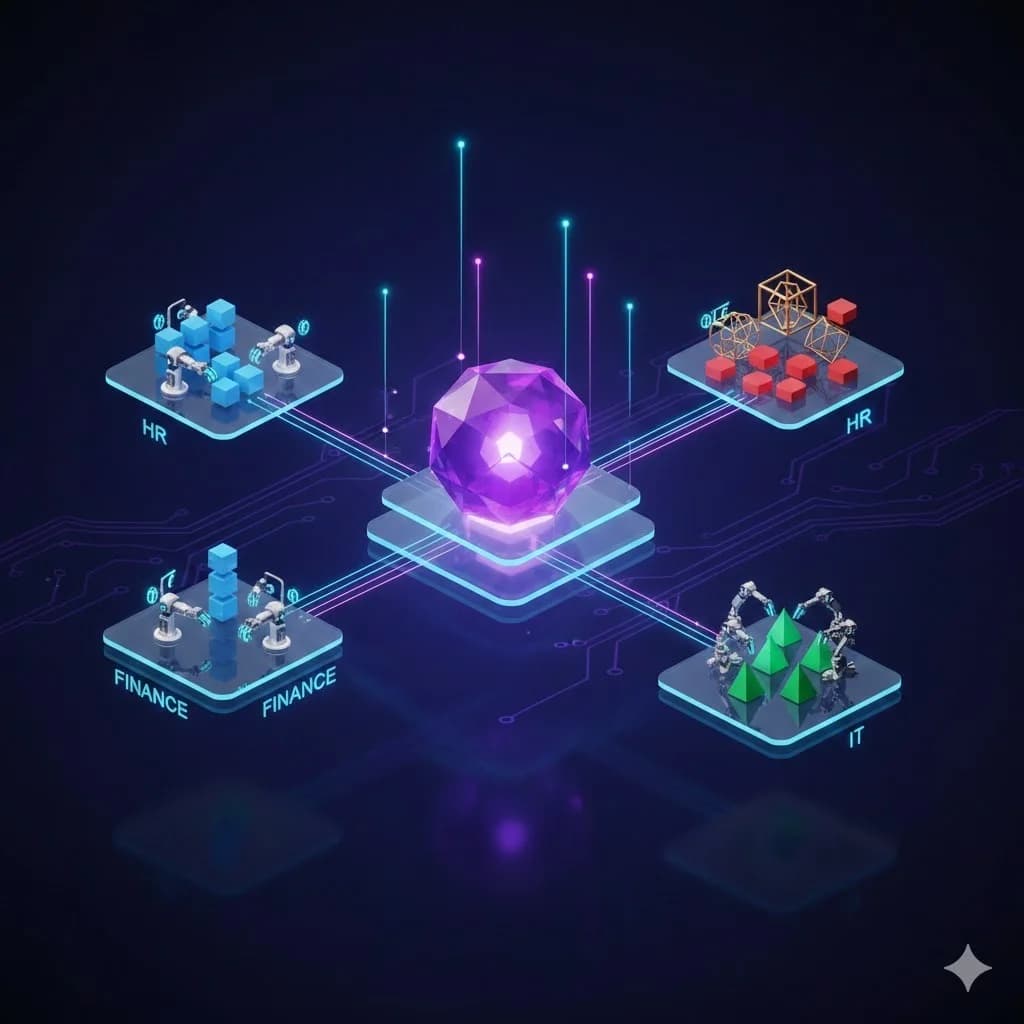

Process Excellence
Scalable Efficiency at Enterprise Level
What are the
Key Cost Components?
Enterprise AI BOT Platforms involve a multifaceted cost structure encompassing initial development, ongoing operational expenses, and continuous maintenance. Key components include licensing fees for AI models and platforms, infrastructure costs (cloud computing, storage), data acquisition and processing for knowledge bases (especially for RAG), development and integration efforts, and personnel expenses for AI engineers, data scientists, and support staff. While initial investments can be substantial, the long-term return on investment (ROI) is realized through increased efficiency, reduced operational overhead in areas like customer service and HR, improved data accuracy, and enhanced decision-making capabilities. Strategic planning and a clear understanding of these cost drivers are essential for successful AI adoption and maximizing business value.
Choosing the Right Financial Model
Enterprises must balance predictable Opex with intensive Capex for long-term scalability.
SaaS (Opex) Model
- Predictable monthly/annual subscription fees.
- Zero infrastructure management costs.
- Continuous updates and patches included.
Fastest Time to Value
Custom Build (Capex)
- High initial development and talent costs.
- Ongoing maintenance and legacy debt risks.
- Full control and data sovereignty.
Maximum Asset Control
Architectural Impact on Cost
Software Licensing & Subscriptions
01Costs for proprietary AI models, platform licenses, and third-party tools (NLU engines, vector databases).
Infrastructure & Cloud Services
02Expenses for GPU/CPU resources, data storage, networking, and serverless functions.
Data & Knowledge Management
03Collecting, cleaning, labeling, and maintaining vast datasets for RAG and model validation.
Maintenance & Continuous Updates
04Ongoing costs for model retraining, security patches, and keeping knowledge bases current.
Personnel & Expertise
05Salaries for AI engineers, data scientists, and operational staff to manage the platform.
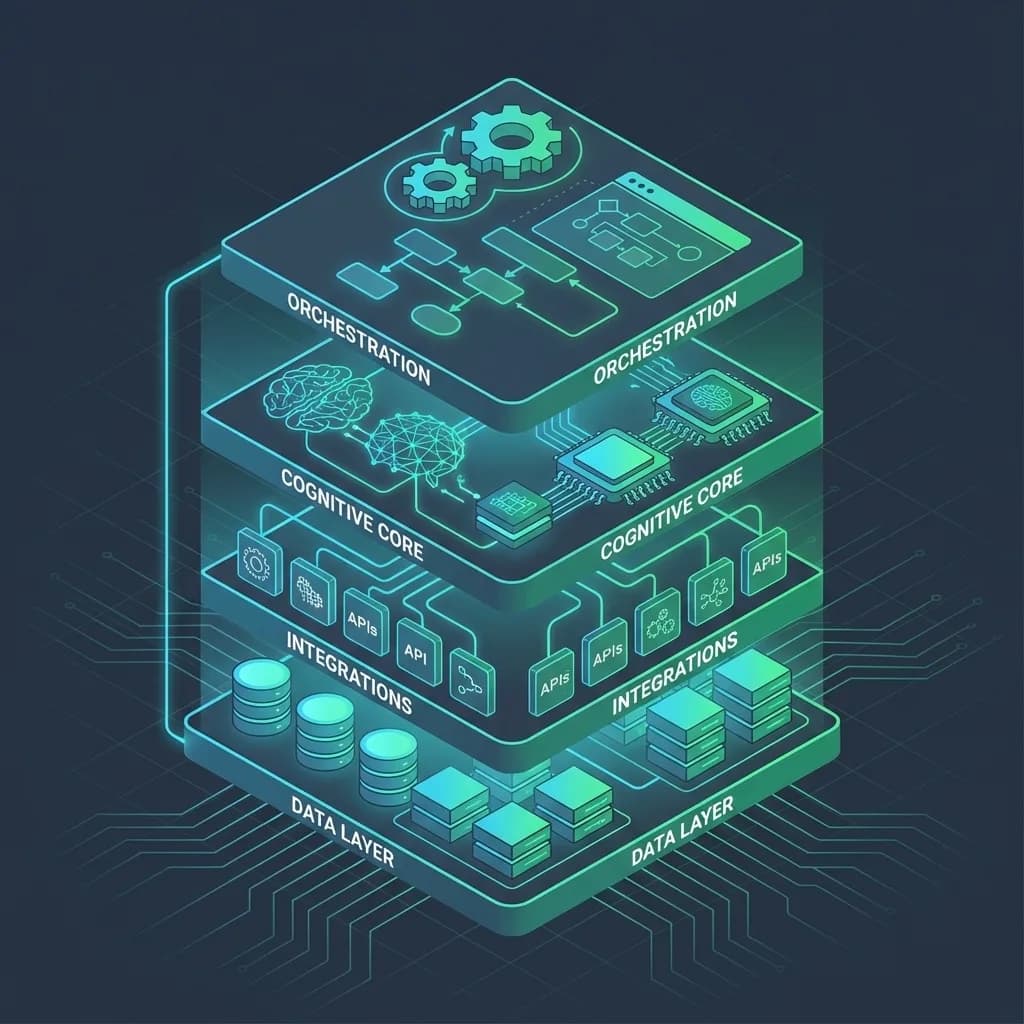
Key Architectural Cost Drivers
The ROI Matrix
Visualizing how costs transform into tangible business value across the enterprise.
Support Savings
Help reduce manual ticket handling by up to 60%, significantly lowering support headcount costs.
Revenue Growth
24/7 intelligent lead capture increases sales conversion rates by up to 40%.
Time to Value
Typical enterprise ROI is achieved within 6-9 months of full-scale deployment.
Process Efficiency
Automate end-to-end workflows in HR and Finance to eliminate bottlenecks.
Typical Enterprise TCO Breakdown
| Cost Component | Year 1 (Setup) | Year 2+ (Scaling) | Notes |
|---|---|---|---|
| Licensing & Core Platform | 30% - 40% | 45% - 55% | Includes LLM tokens and orchestrator seats. |
| Implementation & Development | 40% - 50% | 15% - 20% | Heavily front-loaded for initial design. |
| Infrastructure & Compute | 10% - 15% | 20% - 25% | Increases as data ingestion scales. |
Percentages are indicative and may vary based on industry complexity.
Cost Governance & Risk Mitigation
Effective AI deployment requires robust financial governance to avoid unexpected spikes in costs.
Explore Related Topics

Avoiding Hidden Costs
Without proactive monitoring, AI costs can spiral. Our framework ensures spend visibility and model-drift protection.
Risk Control
Prevent infra cost spikes
Mitigation
Continuous ROI validation
Summary
Navigating the cost structure of Enterprise AI requires balancing initial licensing and talent investments with long-term operational efficiency. Converiqo AI provides transparent, governable, and high-impact solutions to ensure your AI investment delivers immense business value.
Related Enterprise AI Platform Guides
Read our deep-dives and implementation playbooks for scaling agentic workflows.
How Agentic AI Works
Deep dive into the orchestrator layer and multi-agent systems in enterprise setups.
Agentic AI for Businesses
Industry-specific Agentic AI solutions pre-built for 213 business types.
Converiqo Automations
Complete catalog of customer support, HR, and lead generation workflows.
Customer Self-Service Platforms
Automate support tier 1 ticket deflection with secure cognitive networks.
Employee Self-Service Platforms
Automate internal HR helpdesk queries and IT service desk processes.
Lead Generation Platforms
Autonomously capture, score, and qualify high-intent sales opportunities.