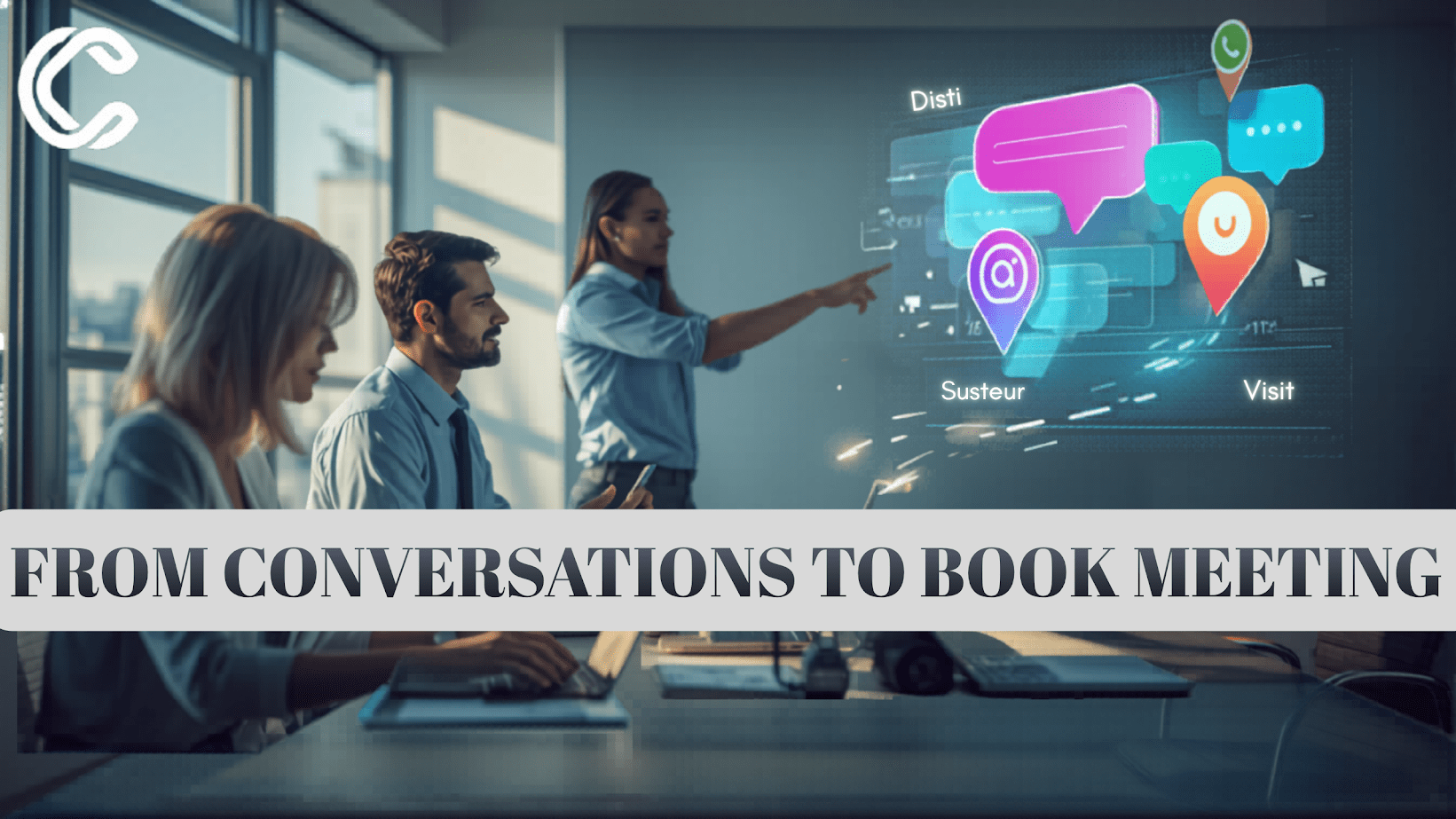
A lot of businesses do not have a conversation problem.
They have a booking problem.
Messages are coming in, people are asking questions, and enquiries look healthy. But the next step is weak. The issue is not engagement, it is conversion.
Leads clearly express intent. They ask about visits, demos, callbacks, and availability. But instead of moving them forward, businesses often respond with delays, vague replies, or manual processes that slow everything down.
That is the gap.
The conversation happened, but the commitment did not.
If your business depends on demos, consultations, appointments, or site visits, booking is the bridge between interest and revenue. And if that bridge is weak, even strong conversations fail commercially.
Why conversations do not automatically become bookings
Businesses often assume that once a conversation starts, conversion is already in motion.
In reality, conversation alone does not move the pipeline unless there is a system that guides the next step. Without structure, leads stay stuck in back-and-forth interactions without committing.
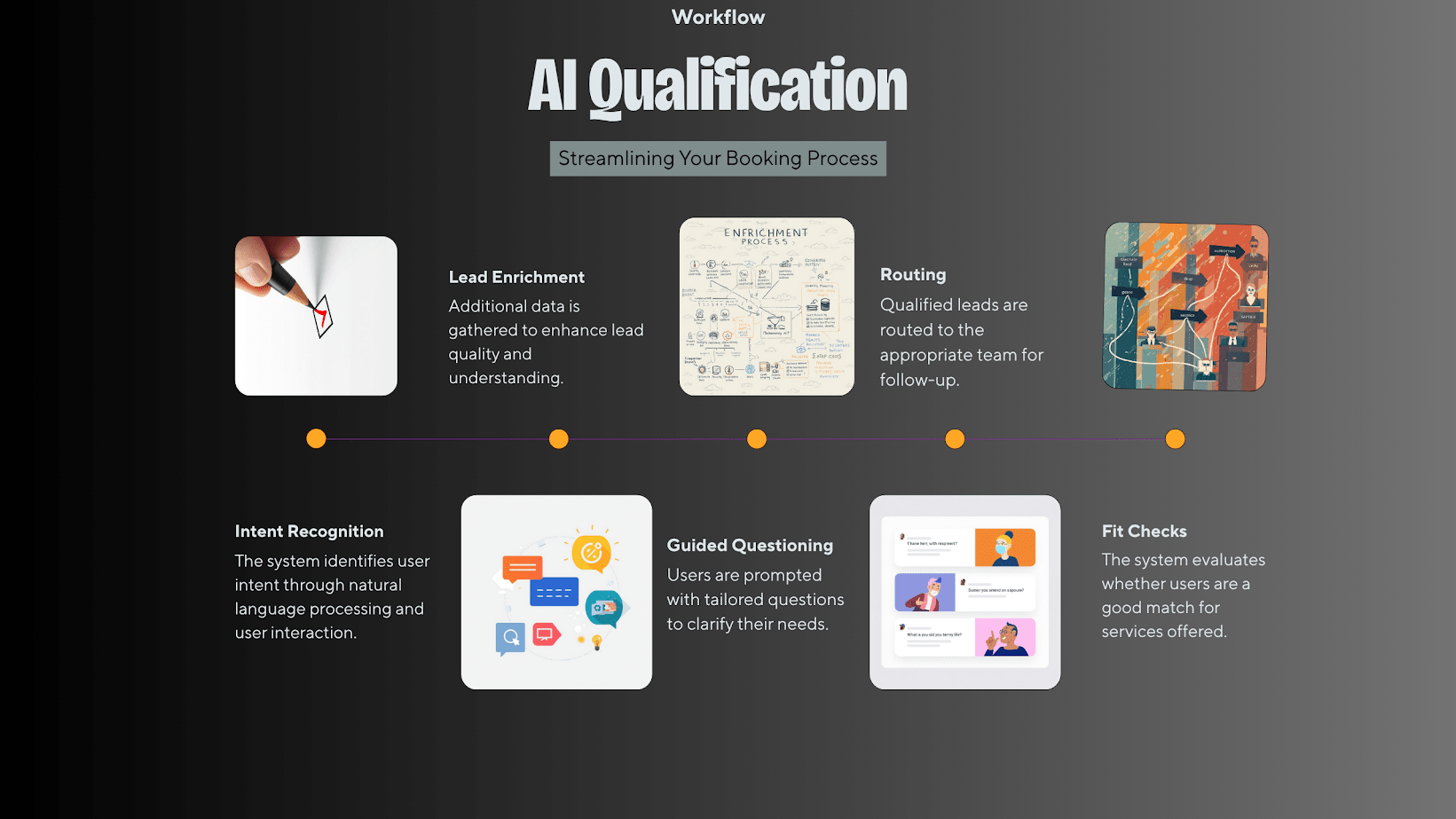
For a conversation to convert, the workflow must:
- understand intent
- identify the right next step
- capture time preference
- confirm fit
- assign ownership
- trigger reminders
If these elements are missing, the lead stays in conversational limbo.
What booking automation actually means
Booking automation is not just about showing a calendar. It is about moving a prospect from conversation to a confirmed next step without relying on manual coordination every time.
That next step could be a demo, appointment, site visit, consultation, or callback. A well-designed system recognizes intent, collects the right information, routes the lead correctly, confirms the booking, and ensures follow-through.
It transforms conversations from passive engagement into active pipeline movement.
Which businesses benefit most from booking automation
Booking automation creates the most value in businesses where revenue depends on a scheduled interaction. This includes industries like healthcare, education, real estate, automotive, professional services, and B2B SaaS.
In these cases, the real conversion does not happen at the message level. It happens when a meeting, visit, or consultation is confirmed. That is why booking should be treated as a core commercial workflow, not just an operational add-on.
The stages of a strong conversation to booking flow
Stage 1: Detect booking intent early
The system should recognize signals such as “I want a demo” or “Can I visit” as early as possible. Missing this intent keeps the conversation generic and delays conversion.
Stage 2: Qualify before showing the next step
Not every lead should go to the same calendar. A small amount of qualification helps ensure that bookings are accurate and relevant.
This may include:
- location or city
- service category
- urgency
- product or department
The goal is not to overcomplicate the process, but to make it precise.
Stage 3: Present or collect scheduling preference
Once intent is clear, the system should move the lead toward scheduling. This can be done by offering available slots, collecting preferred time, or routing to the appropriate team.
The focus should always be on reducing effort and making the next step easy.
Stage 4: Confirm clearly
A weak confirmation creates confusion and increases the risk of no-shows.
A strong confirmation clearly communicates the date, time, format, location or meeting link, and what the lead should expect next. This builds trust and ensures clarity.
Stage 5: Remind and re-engage
Many bookings fail not because of lack of interest, but because of weak follow-up.
Reminders, rescheduling options, and nudges for incomplete bookings help maintain momentum and protect conversions.
Stage 6: Handoff with context
When a human steps in, they should not start from zero. They should already know what the lead asked, what was qualified, and what was booked.
This improves both the quality of interaction and the likelihood of conversion.
Why WhatsApp and Instagram often underconvert without booking logic
Many businesses treat messaging platforms as informal communication tools rather than structured conversion channels.
This leads to inconsistent replies, missed follow-ups, and lost booking opportunities. Leads often ask to book, but instead of being guided, they are asked to call or wait.
Common issues include:
- no defined next-step workflow
- inconsistent responses across team members
- missed or delayed replies
- booking requests lost in chat threads
The issue is not the platform.
The issue is the absence of a booking system within the platform.
What not to do
Certain mistakes consistently reduce booking conversion. Businesses often slow down the process by asking leads to wait for callbacks, skipping qualification, or splitting the journey across disconnected channels.
Ignoring reminders and focusing only on chat activity instead of confirmed bookings further weakens results.
Avoiding these mistakes alone can significantly improve performance.
How to improve booking rate quickly
If booking conversion is low, the solution is not always more leads. It is better workflow.
Start by identifying where booking intent is being missed and reduce the steps between inquiry and confirmation. Add light qualification, simplify scheduling, and ensure reminders are in place.
Also, make sure that human teams receive full context before engaging with the lead.
Small workflow improvements often deliver faster results than large marketing investments.
Conclusion
Businesses do not win because they replied.
They win because they moved the buyer forward.
Booking automation reduces the gap between interest and commitment. It turns conversations into actual pipeline by making the next step clear, simple, and immediate.
If your channels are active but bookings are weak, the issue is not effort.
It is workflow design.
See My Booking Automation Demo
FAQ
What is booking automation?
Booking automation is the use of AI and workflow logic to convert conversations into confirmed meetings, appointments, or site visits with minimal manual effort.
Which channels can booking automation work on?
It can work across website chat, WhatsApp, Instagram, voice, and other messaging platforms depending on the setup.
Should businesses qualify before booking?
Yes. A small amount of qualification improves accuracy and ensures better outcomes.
Can booking automation reduce no-shows?
Yes. Automated reminders and rescheduling flows help maintain attendance and reduce drop-offs.
What is the biggest reason conversations fail to become bookings?
The absence of a clear and immediate next step prevents leads from converting into confirmed bookings.
About the Author

Yash Soni
Ready to orchestrate your AI future?
Converiqo AI helps you design, deploy, and scale automation workflows that move your business faster, leveraging specialized solutions like our AI bot platform for lead generation, customer self-service AI bot platform, employee self-service AI bot platform, retail omnichannel automation, and our detailed guides on how agentic AI bot platforms work in enterprises and cost structure of enterprise AI bot platforms. Connect with our team to see the platform in action and co-create the next chapter of intelligent operations.
Read More Blogs
Discover more insights and product updates curated by the Converiqo AI team.
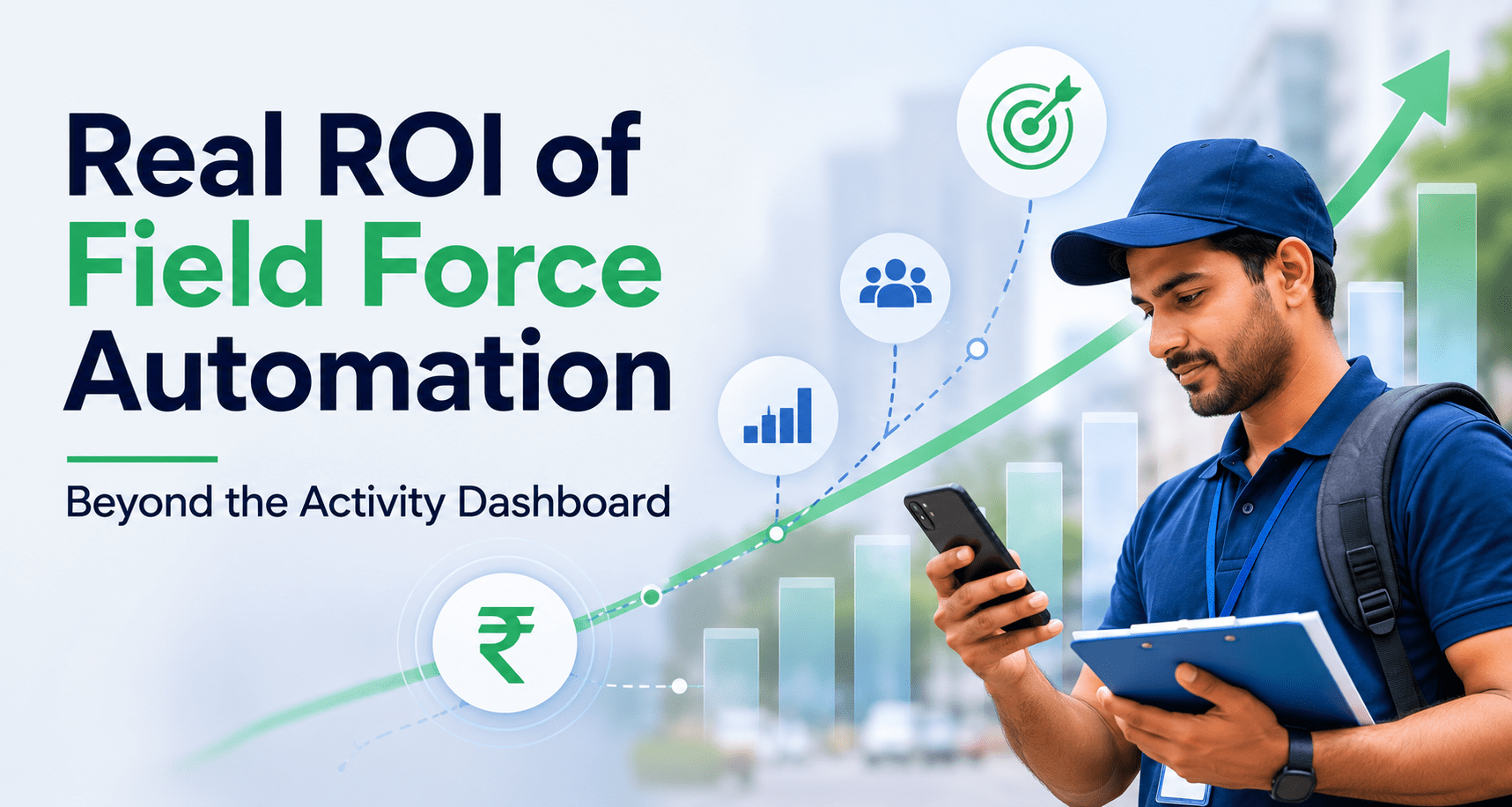
Real ROI of Field Force Automation - Beyond the Activity Dashboard
Four metrics that show real field force automation ROI in India - productivity, data reliability, throughput, and field attrition - not just the activity dashboard.

Beat Planning Is the Highest-Leverage Field Force Capability - Here Is Why
Beat planning decides coverage, call frequency, and whether field time is productive. Why it is the single highest-leverage field force automation capability.
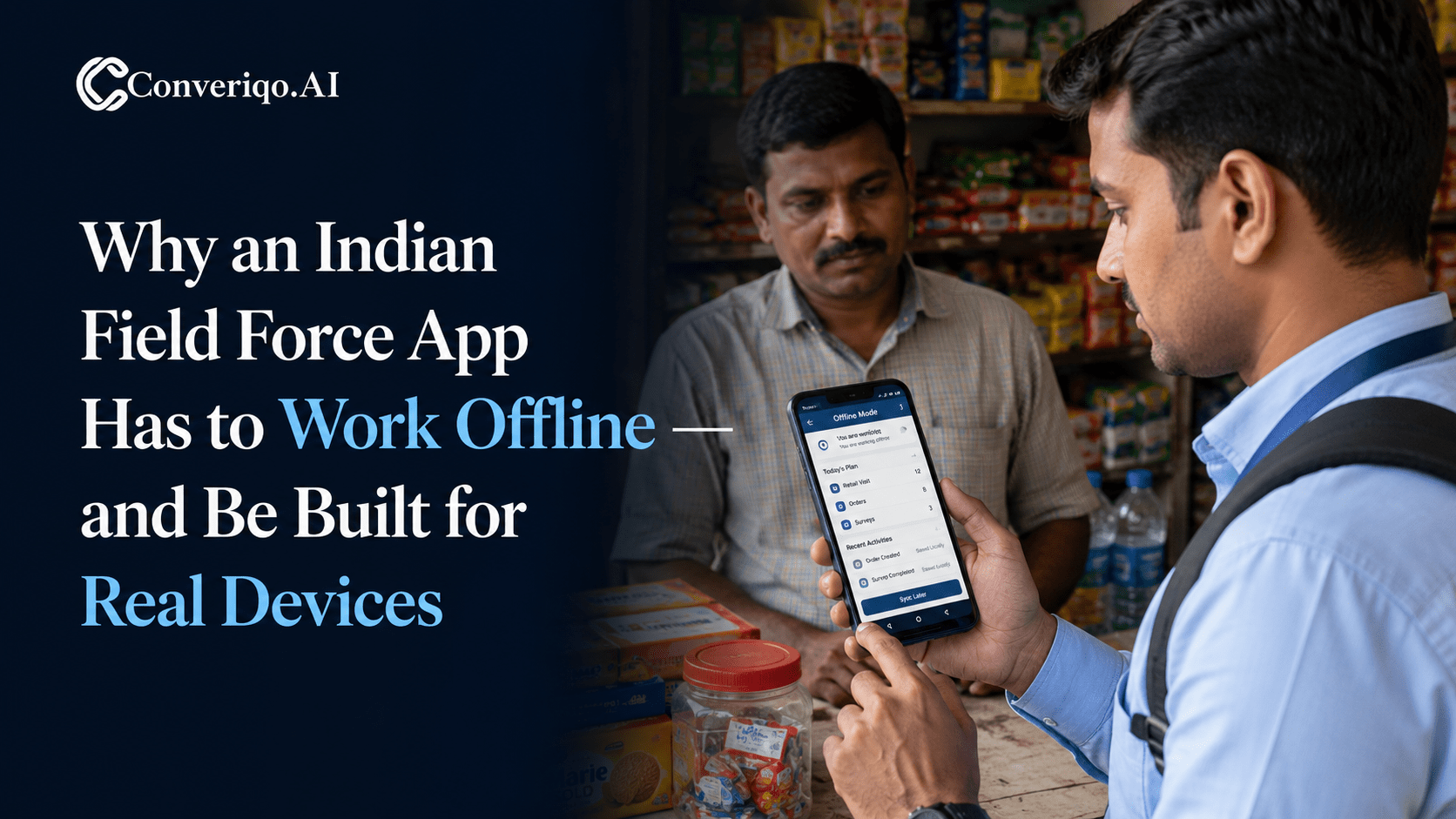
Why an Indian Field Force App Has to Work Offline - and Be Built for Real Devices
Field work in India happens where connectivity is intermittent. A field force app that assumes constant connectivity fails exactly where field work is done.